
Ice Fishing Colorado: A Beginner's Guide to Your First Day on the Ice
Your First Day on the Ice
Learn ice fishing with a local guide on Colorado's Western Slope.
Published:
Updated:
What Ice Fishing Actually Is
Ice fishing is fishing through a hole cut in a frozen lake. You drill through the ice, drop a short rod and a small lure or bait down into the water, and wait for a bite. It sounds simple, and in some ways it is. The sport is quieter and slower than open-water fishing, and a lot of beginners find that pace is exactly what they like about it.
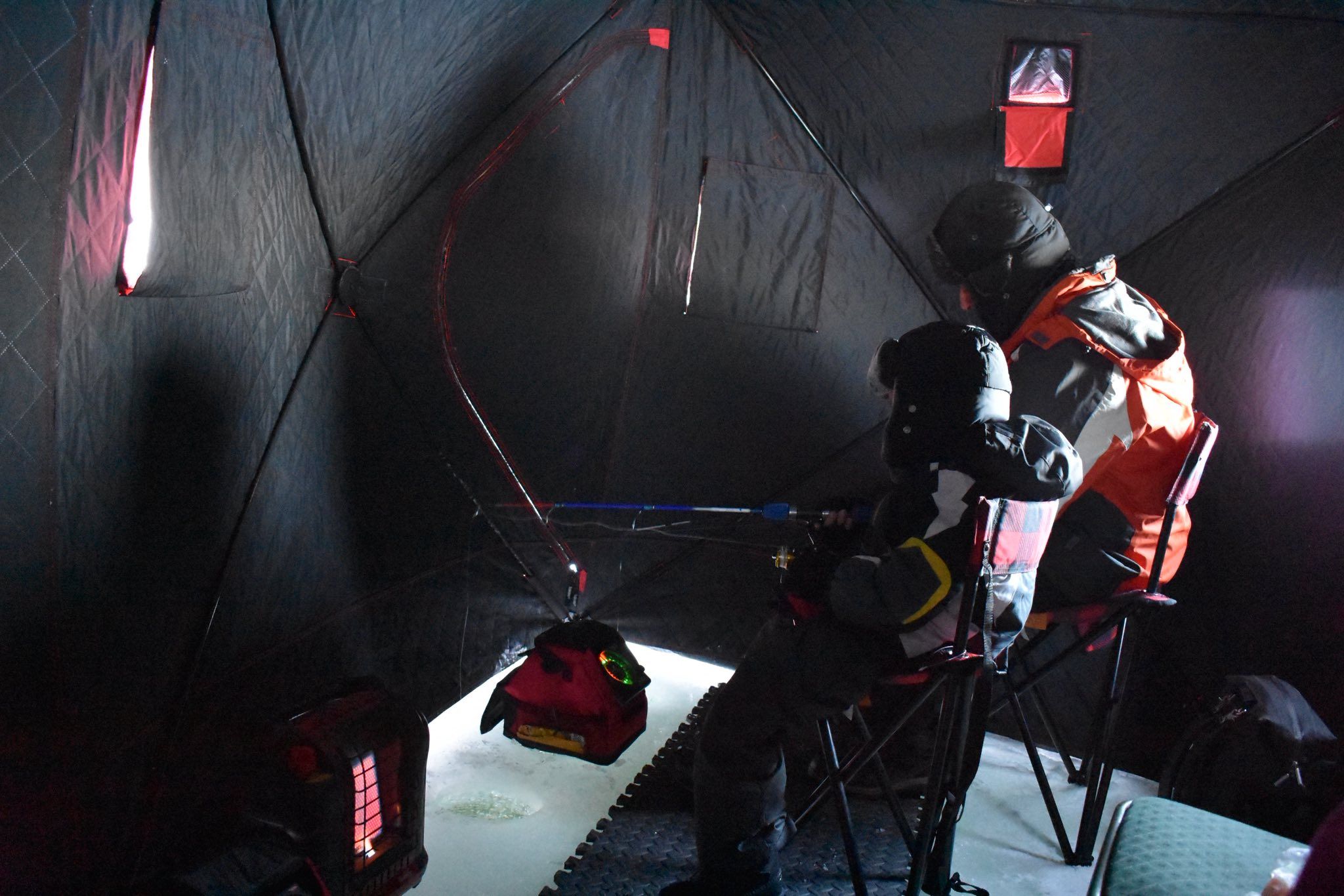
The differences from summer fishing are mostly about how you work the water. You cannot cast and retrieve, so you stay in one spot and move the lure up and down in small, controlled motions. This is called jigging, and learning the right rhythm is a big part of getting bites. Different fish respond to different cadences, and that is where experience on the ice starts to matter.
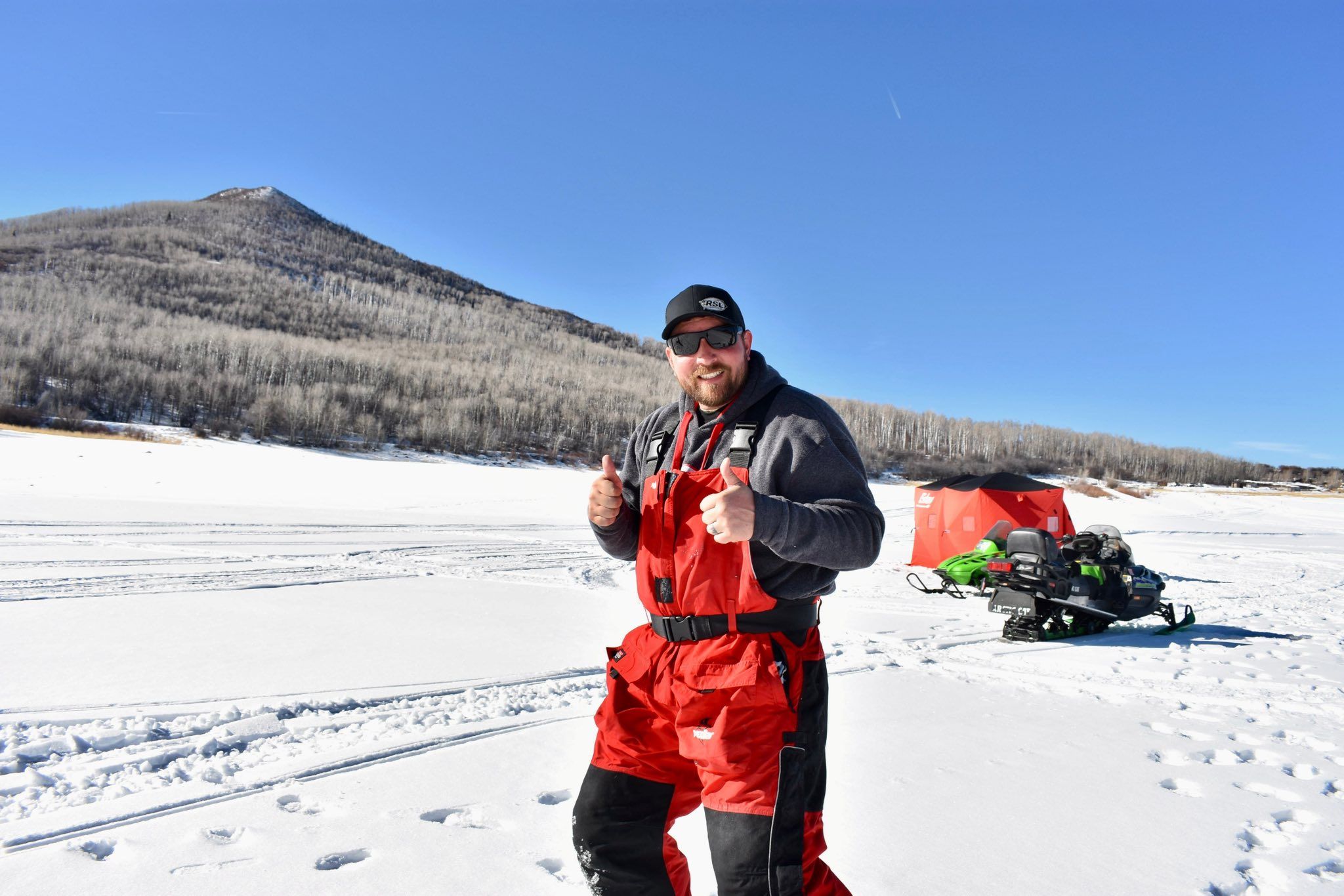
In western Colorado, the season runs through the winter when local reservoirs freeze over. Jason Shafer of RSL Guide Services has spent more than 25 years on Colorado's frozen waters, and his trips run exclusively during the winter ice season. That focus means the whole operation is built around one thing: getting people comfortable and catching fish on the ice.
The Basic Gear You Will Need
You do not need a truck full of equipment to start. A handful of items covers the essentials, and most of it is smaller and cheaper than people expect. Here is what a beginner setup generally comes down to:
- A short ice rod and reel, which is much shorter than a standard rod so you can fish comfortably over a hole
- Small jigs or lures that you work up and down beneath the ice
- An auger to drill the hole, or a guide who handles the drilling for you
- A scoop to clear slush and ice chips from the hole
- A sled or bucket to carry your gear and, if you like, sit on
Clothing deserves as much thought as the tackle. Standing or sitting on a frozen lake for hours is cold work, and wind off the open ice makes it worse. Layers, insulated boots and warm gloves make the difference between a good day and a short one.
Many newcomers also meet sonar electronics for the first time on the ice. A flasher or similar unit shows you the depth, the bottom and fish moving under your lure. It takes a little practice to read, but it turns guessing into watching, and it makes the whole experience far more engaging.
Skills That Make the Difference
Three skills do most of the work for a beginner. The first is jigging, which means moving the lure with small lifts and pauses instead of big, jerky pulls. Fish under the ice are often cautious, so subtle movement tends to beat aggressive movement. The second is patience. Bites can come in bursts with long quiet stretches between them, and staying focused through those stretches is part of the craft.
The third skill is reading the water you are fishing. Depth, structure and where fish are holding all shape where you drill and how you fish. This is the hardest of the three to learn alone, because it comes from time on the ice. It is also where a local guide pays off most. Someone who has fished the same reservoirs for decades knows where to start looking and how to adjust when the fish are not cooperating.
What a Day on the Ice Looks Like
A typical beginner day starts before you ever step onto the ice. You meet your guide, go over the plan and get your gear sorted. From there you head out to the fishing spot, and the guide sets up holes and gets lines in the water. If you have never held an ice rod, this is where a few minutes of hands-on instruction saves a lot of frustration.
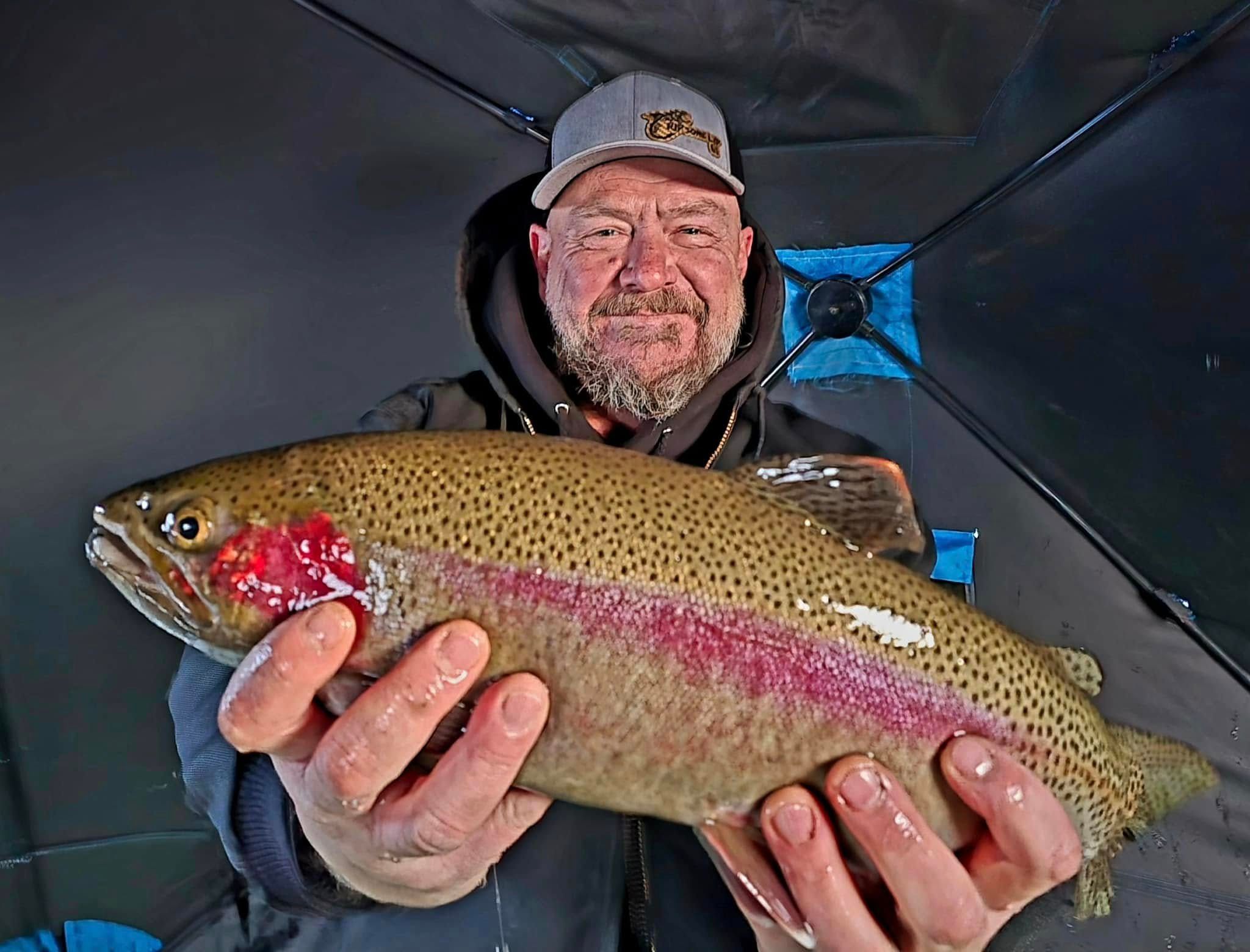
Once you are fishing, the day settles into a comfortable rhythm. You jig, watch your line or your sonar, chat, and wait for the next bite. A good guide stays close and keeps coaching without hovering, adjusting your technique as conditions change. When a fish takes the lure, the guide helps you through the hookset and the fight, which feels different on a short rod through a small hole.
The mood matters too. Ice fishing is a social sport, and a relaxed day with good company is a big part of the appeal. Jason describes his approach as a relaxed, informative environment with safety and fun as top priorities, and that is a good standard to look for in any guide you consider.
Why a Guide Makes Sense for Your First Trip
Safety is the first reason. Ice conditions change from lake to lake and from week to week, and a beginner has no reliable way to judge them. Fishing with someone who knows these waters takes that worry off your plate so you can pay attention to the fishing.
The second reason is speed of learning. Instead of spending several cold, unproductive outings figuring out the basics, you get direct coaching from the start. Jason works with anglers of all skill levels and customizes each trip to what you want from the day. His trips cover popular fishing locations across western Colorado, including Rifle Gap Reservoir and surrounding areas in Mesa, Rio Blanco, Garfield and Eagle Counties.
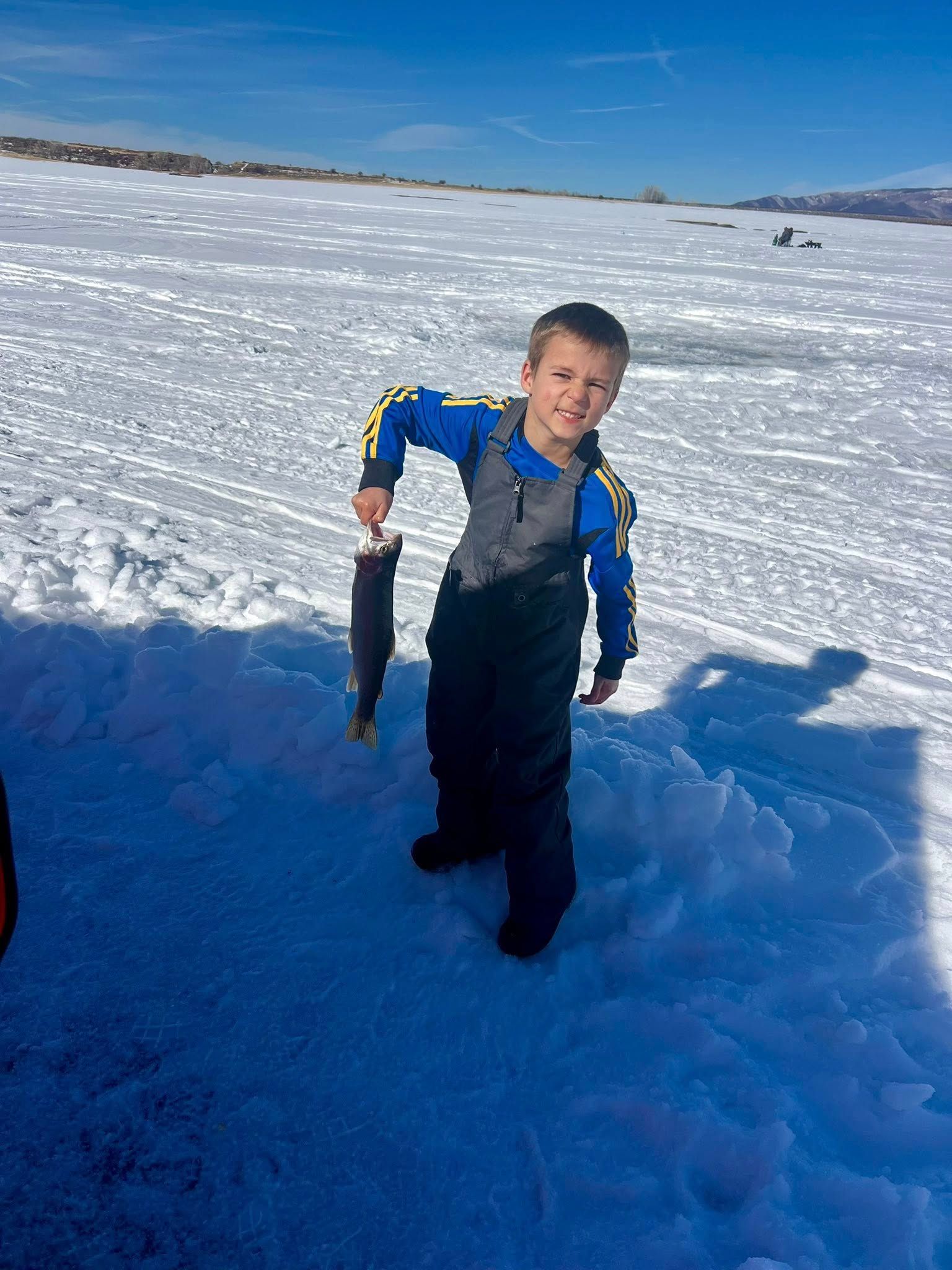
RSL Guide Services also offers trips suited to different goals. There is a family-friendly option built around unhurried on-ice coaching, and a trip focused on mastering ice gear while targeting Rocky Mountain trout with patient instruction. If you are a newcomer, either one fits the idea of learning at your own pace. Others lean toward fine-tuning sonar and jigging cadence, which can wait until you have a few trips behind you.
Getting Started
If ice fishing has been on your list, the best first step is simply to go once with someone who can show you how it works. You will pick up more in a single guided day than from hours of reading. Think about what you want from the outing, whether that is a relaxed introduction, a day with the family or a chance to learn the technical side, and tell your guide so the trip can be shaped around it.
Winter on Colorado's Western Slope does not have to mean staying indoors. With the right guidance, a frozen reservoir becomes one of the most peaceful and rewarding places to spend a day.