%2Ffit-in%2F250x250%2Fguide_websites%2F30688%2Fimages%2F1745627243080472788467_122126432366582254_511037405999233555_n-removebg-preview.png&w=1920&q=100)
/users/00c4cc7e-1574-4ced-8601-3c5b4d3ab9c5/ratecard/470218004_122120451248582254_5186428227216658613_n-mjkvtrfj.jpg)
%2F300x300%2Fusers%2F00c4cc7e-1574-4ced-8601-3c5b4d3ab9c5%2Fratecard%2F470218004_122120451248582254_5186428227216658613_n-mjkvtrfj.jpg&w=256&q=75)
%2F300x300%2Fusers%2F00c4cc7e-1574-4ced-8601-3c5b4d3ab9c5%2Fimages%2Ffishing-rifle-colorado-2598.jpg&w=256&q=75)
%2F300x300%2Fusers%2F00c4cc7e-1574-4ced-8601-3c5b4d3ab9c5%2Fimages%2Fgreat-fishing-rifle-2283.jpeg&w=256&q=75)
%2F300x300%2Fusers%2F00c4cc7e-1574-4ced-8601-3c5b4d3ab9c5%2Fimages%2Ffishing-adventure-colorado-2707.jpeg&w=256&q=75)
%2F300x300%2Fusers%2F00c4cc7e-1574-4ced-8601-3c5b4d3ab9c5%2Fimages%2Fchub-mackerel-rifle-fishing-2282.jpeg&w=256&q=75)
%2F300x300%2Fusers%2F00c4cc7e-1574-4ced-8601-3c5b4d3ab9c5%2Fimages%2Fcolorado-fishing-adventure-2368.jpeg&w=256&q=75)
%2F300x300%2Fusers%2F00c4cc7e-1574-4ced-8601-3c5b4d3ab9c5%2Fimages%2Fthrilling-fishing-expedition-co-2252.jpeg&w=256&q=75)
%2F300x300%2Fusers%2F00c4cc7e-1574-4ced-8601-3c5b4d3ab9c5%2Fimages%2F1760078455254jason%20shafer%205-mgkhu1gw.jpeg&w=256&q=75)
%2F300x300%2Fusers%2F00c4cc7e-1574-4ced-8601-3c5b4d3ab9c5%2Fimages%2Ffishing-colorado-2304.jpeg&w=256&q=75)
%2F300x300%2Fusers%2F00c4cc7e-1574-4ced-8601-3c5b4d3ab9c5%2Fimages%2Ffishing-fun-rifle-2348.jpeg&w=256&q=75)
%2F300x300%2Fusers%2F00c4cc7e-1574-4ced-8601-3c5b4d3ab9c5%2Fimages%2Fmajestic-colorado-landscapes-2241.jpeg&w=256&q=75)
Expert-Guided Ice Fishing in Western Colorado
 Colorado
What you will be catching:
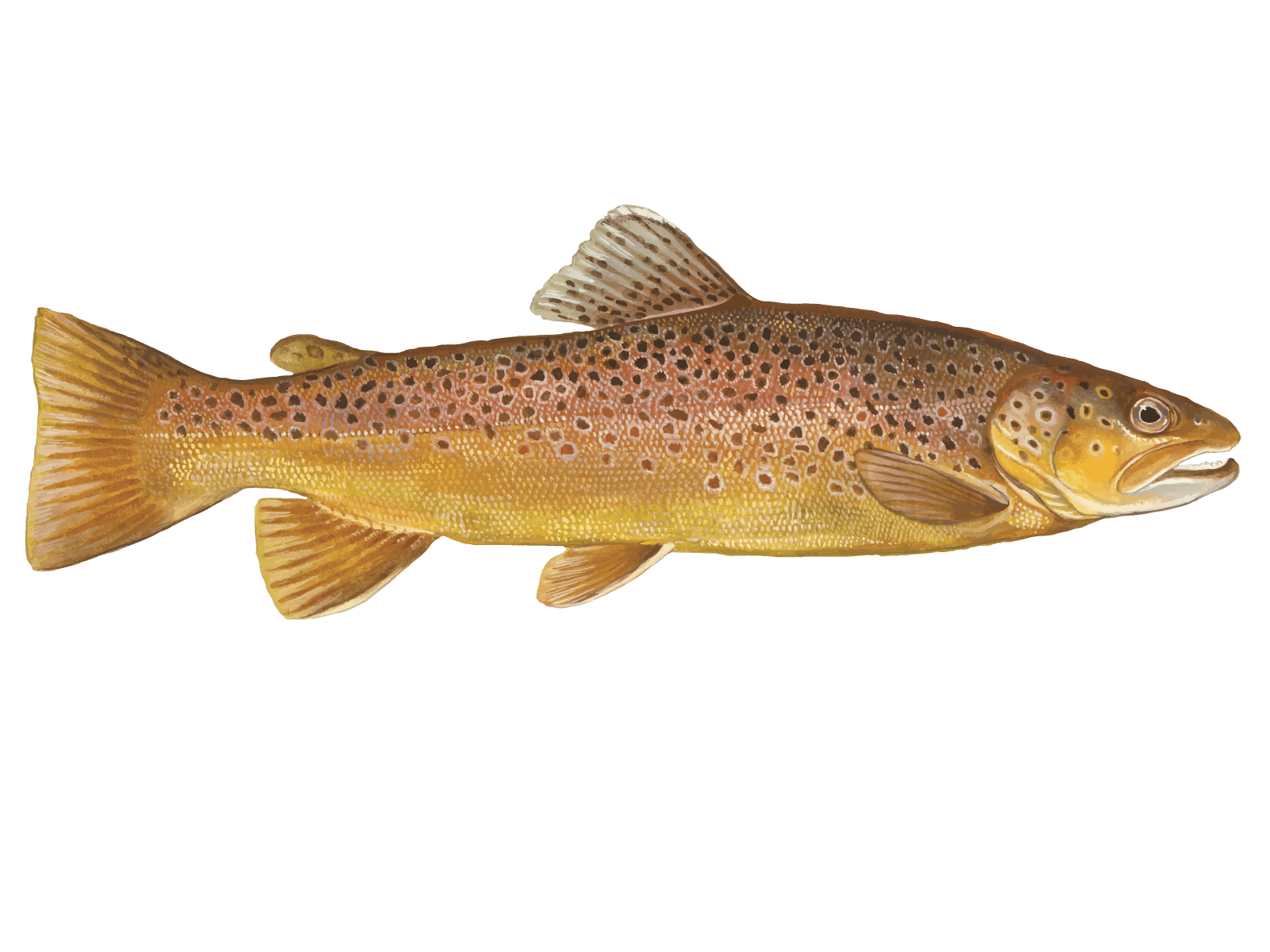
 Brown Trout
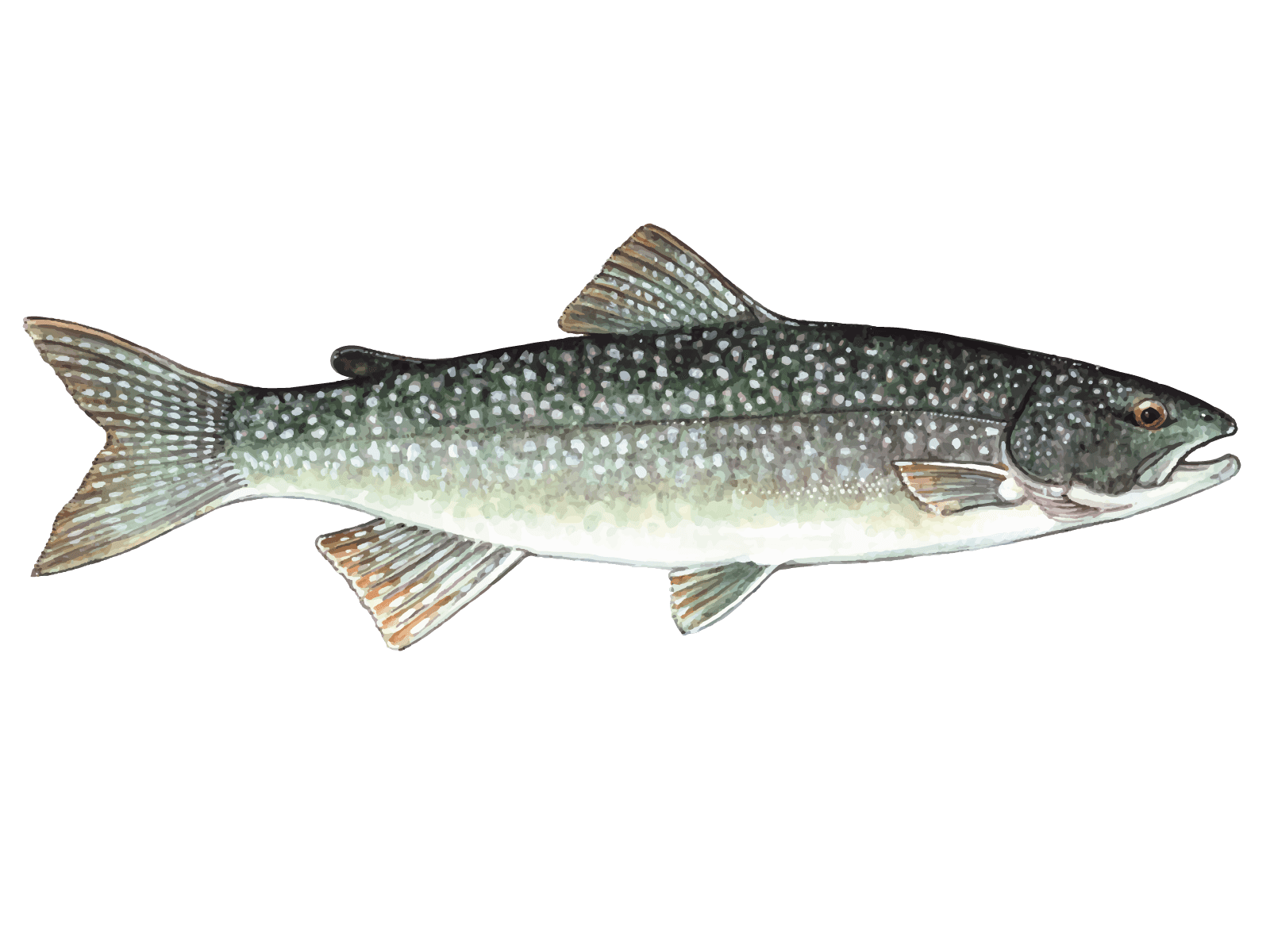
 Lake Trout
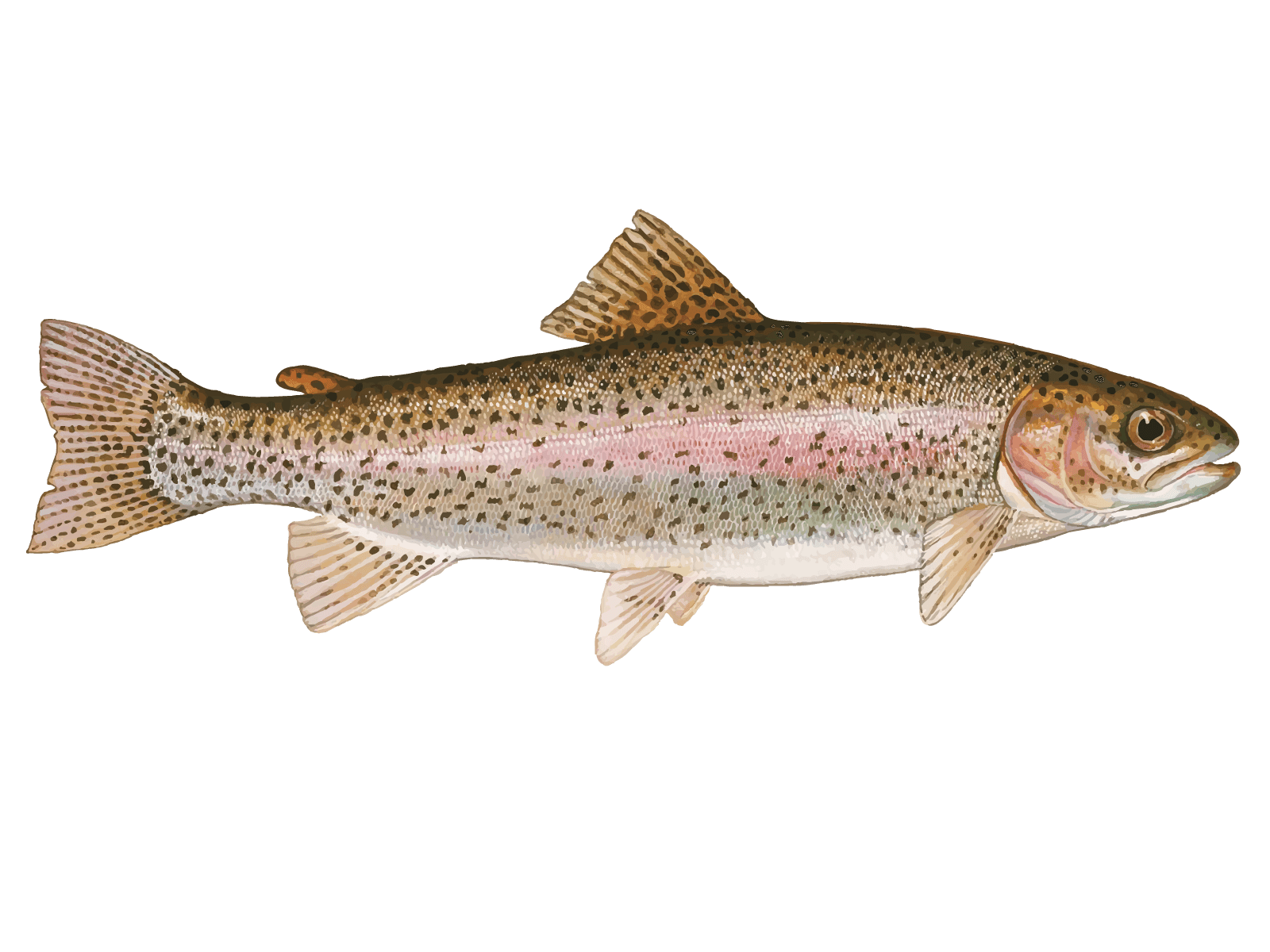
 Rainbow Trout
- Expert guide provides 6-hour ice fishing adventures across Western Colorado lakes
- Accommodates 2-8 anglers with strategic location selection based on current conditions
- Requires valid Colorado fishing license and applicable lake-specific permits
Trip Pricing and Availabilities:
Extended Half Day Ice Fishing in Western Colorado
When winter locks up the high country lakes, that's when the real fishing starts. Jason Shafer knows where the fish are holding under the ice, and his 6-hour guided trips put you right on top of them. This isn't some touristy ice fishing setup – Jason's been working these Western Colorado waters for years, and he'll take you to lakes most folks never even know exist. You'll meet him right at the water, no need to drive around looking for the spot. He scouts conditions ahead of time and picks the lake that's fishing best based on ice thickness, weather patterns, and what species you're hoping to target.
What to Expect on the Ice
Six hours gives you real time to work the water properly. Jason handles all the logistics – he'll coordinate with you on which lake to hit based on current conditions and what's biting. Some days that might mean a high alpine lake loaded with lake trout, other times you'll be working structure for browns and rainbows at lower elevation. The trip covers two anglers, and if you want to bring more friends, it's $50 per extra person up to four total, then $75 each after that. Jason caps it at eight people max so everyone gets proper attention. He brings water for the group, but pack whatever food and drinks you want for the day. Trust me, working holes in the cold works up an appetite, and there's nothing better than hot coffee when the fish are cooperating.
Gear Setup & Ice Techniques
Ice fishing isn't just dropping a line through a hole and waiting. Jason sets up multiple holes to cover different depths and structure features, using electronics to mark fish and bottom contours. You'll learn how to work jigs vertically, when to deadstick versus active jigging, and how to read your fish finder to spot suspended trout. The gear is specialized – shorter rods with sensitive tips, reels that won't freeze up, and lures that trigger strikes in cold water. Jason brings all the fishing equipment, but make sure you dress for the conditions. Layered clothing, insulated boots, and good gloves are essential. The ice can be unforgiving, but when you're dressed right and the fish are active, there's no better way to spend a winter day.
Species You'll Want to Hook
Brown trout are the thinking angler's target in these Western Colorado lakes. These fish get smart fast and can be incredibly selective about what they'll eat. During winter, they often suspend in deeper water and feed sporadically, but when they do turn on, the action can be fast and furious. Browns here run anywhere from pan-sized fish to legitimate trophies pushing 20 inches or better. They're ambush predators even under the ice, so Jason positions holes near dropoffs and structure where these fish like to hunt. The fight is what keeps people coming back – browns have an attitude and will test your drag even through a small ice hole.
Rainbow trout bring consistent action and aggressive strikes that can surprise you when you're not expecting it. These fish stay more active throughout the winter months compared to other species, and they'll often school up in good numbers. Western Colorado's rainbows are typically in that sweet 12-16 inch range, chunky from feeding on freshwater shrimp and aquatic insects. They respond well to small spoons and jigs worked with an aggressive cadence. Rainbows will often suspend at various depths, so Jason uses electronics to locate schools and adjusts tactics accordingly. When you find them, you can often catch several from the same hole before they wise up and move.
Lake trout are the heavyweight champions of the ice fishing world here. These deep-water predators can live for decades and reach impressive sizes – fish over 30 inches aren't uncommon in the right lakes. Lakers prefer the deeper basins and will cruise along bottom structure looking for baitfish and crayfish. They're not the most aggressive fighters pound-for-pound, but their sheer size makes every hookup memorable. Jason targets them with larger presentations worked near bottom, and the takes can be subtle – just a slight lift on the rod tip or line going slack as they swim toward you. Lake trout fishing requires patience, but landing a true trophy through the ice is something you'll remember forever.
Time to Book Your Spot
Jason's extended half-day trips give you the real Western Colorado ice fishing experience without the guesswork. He handles the scouting, brings the expertise, and puts you on fish that most people never get a shot at. Don't forget you'll need a valid Colorado fishing license plus any location-specific permits – these are usually available online, but Jason can walk you through the process when you book if you're not sure what you need. Winter conditions change fast in the mountains, so having a guide who knows the lakes and reads the ice properly isn't just about catching more fish – it's about staying safe and having confidence in your spots. Ready to see what's swimming under the ice? Get in touch with RSL Guide Services and lock in your dates before the best fishing windows fill up.
Learn more about the animals
Brown Trout
Browns are the wary ones - they'll test your skills more than any other trout out here. These golden-brown beauties with their distinctive black spots average 12-18 inches, though we pull some real nice 3-4 pounders from deeper holes. They love structure - fallen logs, undercut banks, anywhere they can ambush prey. Fall and winter are prime time when they're feeding heavy before spawning. What makes them special? They fight smart, not just hard. They'll use every trick to shake your hook. Through the ice, I always tell folks to work your jig slow and keep it just off bottom - browns are lazy in cold water but they can't resist an easy meal drifting right past their nose.
Lake Trout
Lakers are the giants lurking in our deepest alpine lakes - these are the fish that make your drag scream. We're talking 20-30 inch fish that can easily hit 8-15 pounds, with some real monsters pushing 20+ in the right waters. They stay deep year-round, usually 40-80 feet down in summer, but ice fishing brings them up to 25-40 feet where we can reach them. Winter is actually prime time since they're more active in cold water. What draws people to them? Pure power - no trout fights like a laker. They make long, steady runs that'll test your equipment. The meat's excellent too, firm and flaky. Here's my secret: use big baits and fish them slow. Lakers are opportunistic - a 4-inch swimbait worked just above bottom will trigger strikes from fish that ignore smaller offerings.
Rainbow Trout
Rainbows are the acrobats of our Colorado lakes - when you hook one through the ice, get ready for some serious head shaking and runs. Most of ours run 10-16 inches and pack a solid 1-3 pound punch. They cruise mid-water during winter, usually 15-25 feet down where the water stays around 40 degrees. Early morning and late afternoon are your best shots, especially on overcast days. People love targeting them because they're aggressive feeders and absolutely delicious on the table - firm, pink meat that's hard to beat. My go-to tip: use bright colors like chartreuse or orange on your jigs. Rainbows are curious fish, and that flash of color will pull them in from a distance when the water's murky under ice.