%2Ffit-in%2F250x250%2Fguide_websites%2F30688%2Fimages%2F1745627243080472788467_122126432366582254_511037405999233555_n-removebg-preview.png&w=1920&q=100)
/users/00c4cc7e-1574-4ced-8601-3c5b4d3ab9c5/ratecard/468215921_122117752316582254_5198194344114531016_n.jpg)
%2F300x300%2Fusers%2F00c4cc7e-1574-4ced-8601-3c5b4d3ab9c5%2Fratecard%2F468215921_122117752316582254_5198194344114531016_n.jpg&w=256&q=75)
%2F300x300%2Fusers%2F00c4cc7e-1574-4ced-8601-3c5b4d3ab9c5%2Fimages%2Ffishing-rifle-colorado-2598.jpg&w=256&q=75)
%2F300x300%2Fusers%2F00c4cc7e-1574-4ced-8601-3c5b4d3ab9c5%2Fimages%2Fgreat-fishing-rifle-2283.jpeg&w=256&q=75)
%2F300x300%2Fusers%2F00c4cc7e-1574-4ced-8601-3c5b4d3ab9c5%2Fimages%2Ffishing-adventure-colorado-2707.jpeg&w=256&q=75)
%2F300x300%2Fusers%2F00c4cc7e-1574-4ced-8601-3c5b4d3ab9c5%2Fimages%2Fchub-mackerel-rifle-fishing-2282.jpeg&w=256&q=75)
%2F300x300%2Fusers%2F00c4cc7e-1574-4ced-8601-3c5b4d3ab9c5%2Fimages%2Fcolorado-fishing-adventure-2368.jpeg&w=256&q=75)
%2F300x300%2Fusers%2F00c4cc7e-1574-4ced-8601-3c5b4d3ab9c5%2Fimages%2Fthrilling-fishing-expedition-co-2252.jpeg&w=256&q=75)
%2F300x300%2Fusers%2F00c4cc7e-1574-4ced-8601-3c5b4d3ab9c5%2Fimages%2F1760078455254jason%20shafer%205-mgkhu1gw.jpeg&w=256&q=75)
%2F300x300%2Fusers%2F00c4cc7e-1574-4ced-8601-3c5b4d3ab9c5%2Fimages%2Ffishing-colorado-2304.jpeg&w=256&q=75)
%2F300x300%2Fusers%2F00c4cc7e-1574-4ced-8601-3c5b4d3ab9c5%2Fimages%2Ffishing-fun-rifle-2348.jpeg&w=256&q=75)
%2F300x300%2Fusers%2F00c4cc7e-1574-4ced-8601-3c5b4d3ab9c5%2Fimages%2Fmajestic-colorado-landscapes-2241.jpeg&w=256&q=75)
Top-Rated Ice Fishing Trip in Western Colorado
 Colorado
What you will be catching:
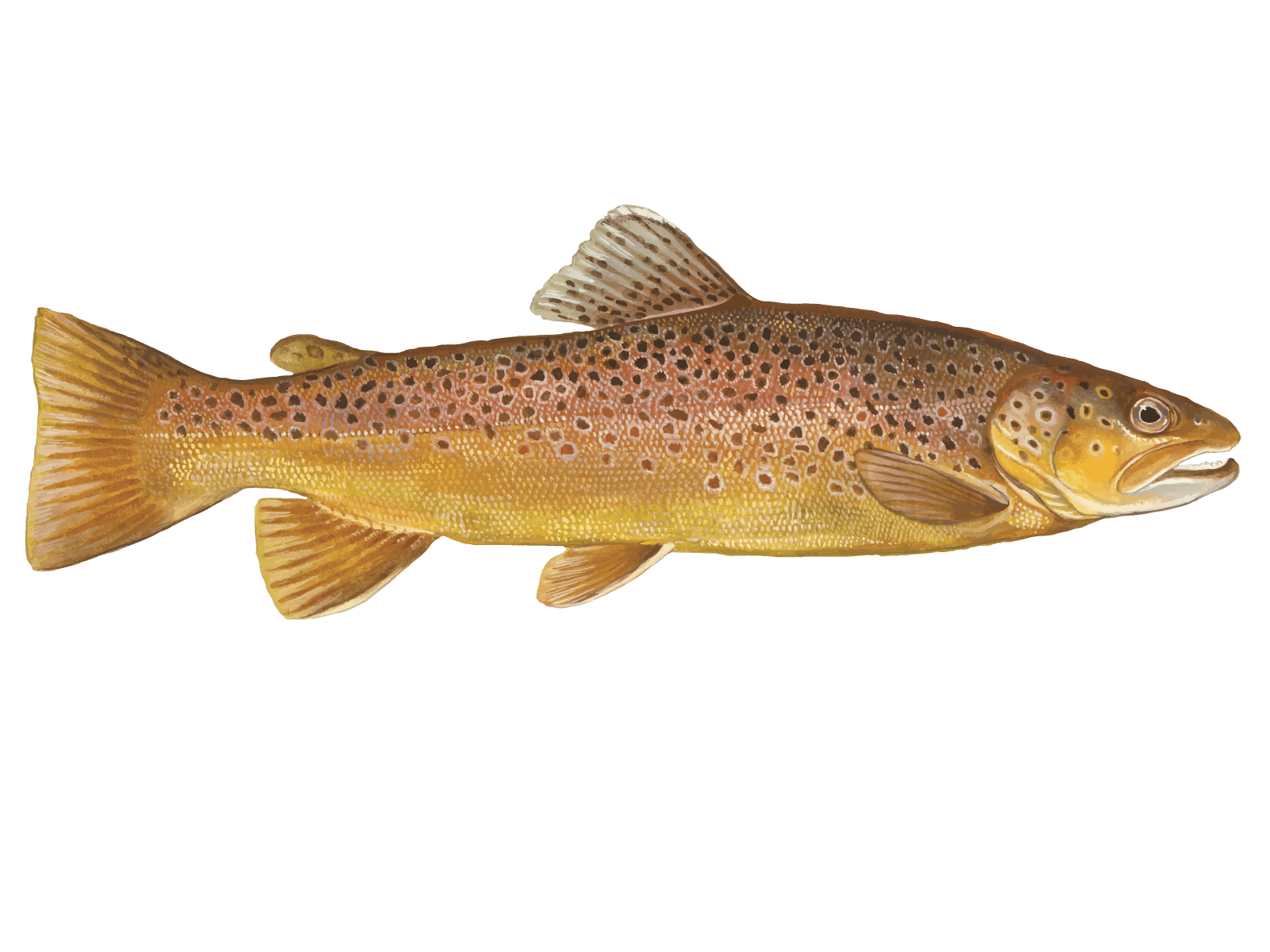
 Brown Trout
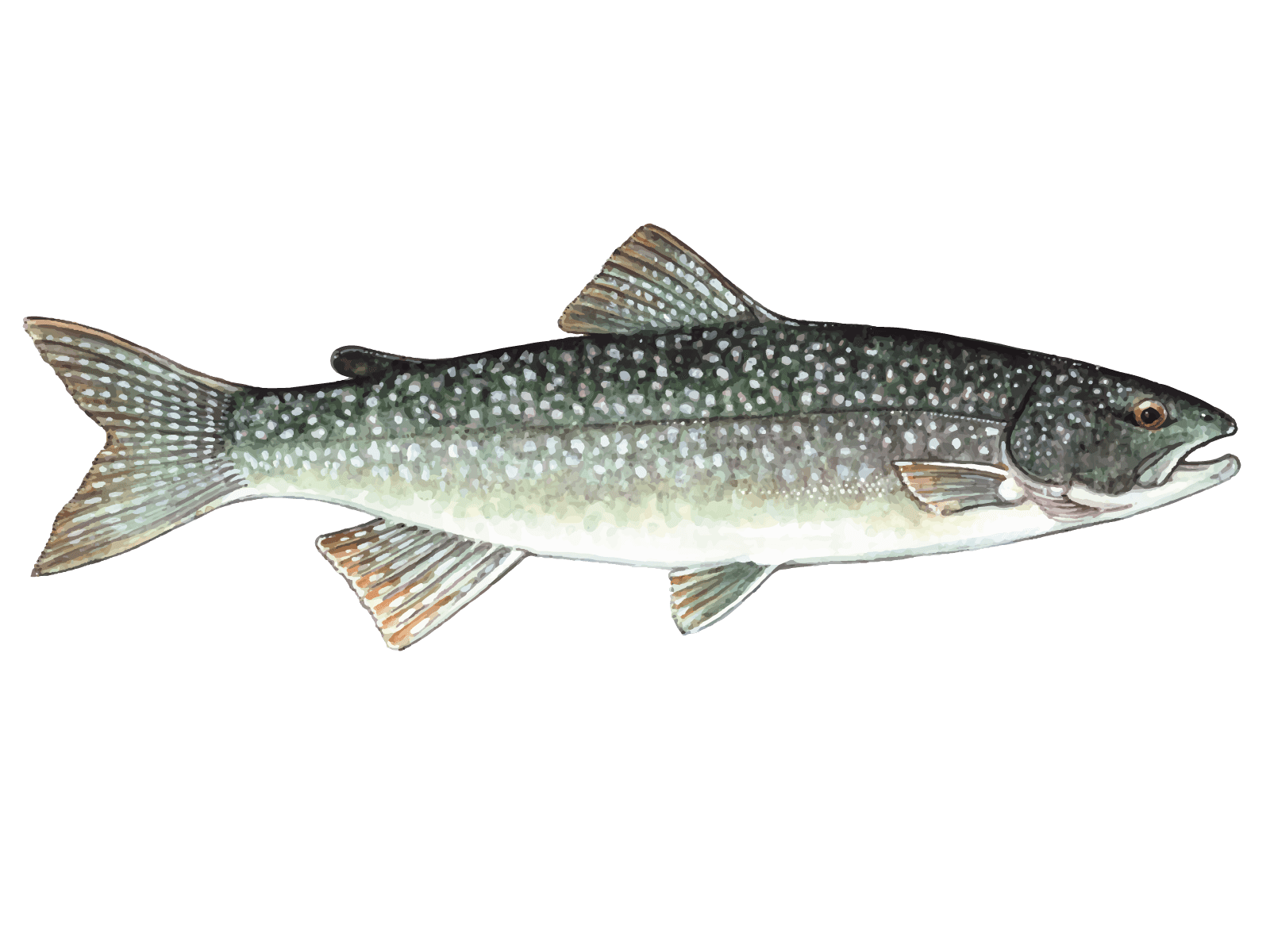
 Lake Trout
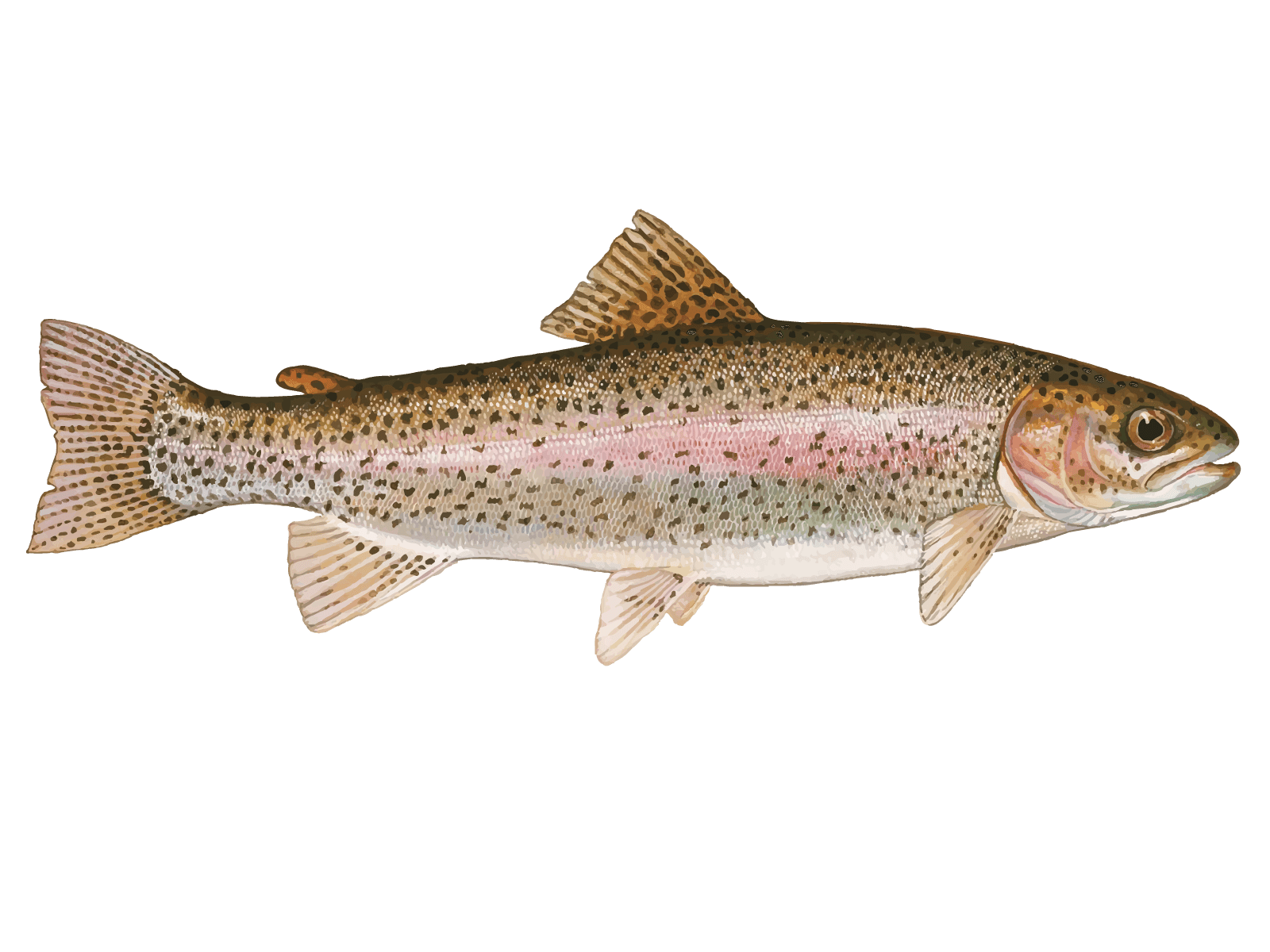
 Rainbow Trout
- Expert-guided half-day ice fishing on Western Colorado's frozen lakes
- All equipment provided for up to two anglers with gear included
- Guide selects optimal locations based on current ice conditions and target species
Trip Pricing and Availabilities:
Half Day Ice Fishing in Western Colorado
Western Colorado's frozen lakes offer some of the best ice fishing you'll find anywhere, and Jason Shafer knows exactly where the fish are biting. This half-day guided adventure takes you to prime spots across the region, where thick winter ice opens up access to waters that are off-limits during warmer months. You'll meet Jason directly at the chosen lake – no need to worry about finding the right access point or wondering if conditions are safe. He handles all the logistics and picks locations based on current ice thickness, weather patterns, and what species are most active. Whether you're a complete beginner or someone who's been dropping lines through ice for years, this trip delivers consistent action in some of Colorado's most productive winter fisheries.
What to Expect on Ice
Jason meets you right at the lake, usually in the early morning when fish activity peaks. He's already scouted conditions and knows the best depths and structures to target. The beauty of winter fishing here is accessing spots that boat anglers can't reach during summer – those deep drop-offs and underwater shelves where big trout like to hold. You'll set up in multiple locations throughout the morning, moving as conditions and fish activity dictate. The pace is relaxed but purposeful, giving you time to learn proper jigging techniques while staying comfortable on the ice. Jason provides portable shelters when weather demands it, and he's got backup spots mapped out if your first choice isn't producing. Most trips run about four hours, which is perfect for staying warm while maximizing your chances at multiple species. The group size stays small at just two guests, so you get personalized attention and plenty of chances to handle the rod.
Ice Fishing Gear & Methods
All your fishing equipment comes included – specialized ice rods, reels spooled with appropriate line weights, and a full selection of jigs and baits that work best in these waters. Jason brings a quality ice auger for drilling holes, plus depth finders to locate fish and map underwater structure. You'll learn different jigging presentations, from aggressive lifts that trigger reaction strikes to subtle movements that tempt finicky trout. The key is reading your electronics and adjusting your technique based on what fish are showing on screen. Most successful presentations involve small jigs tipped with natural baits, worked just off the bottom where trout typically feed during winter months. Jason teaches proper hook-setting techniques for ice fishing – it's different than summer fishing because cold water makes fish more sluggish. He also covers ice safety throughout the day, showing you how to read ice conditions and move safely across frozen surfaces. Colorado's high altitude means ice forms differently than at sea level, and local knowledge makes all the difference in staying safe while finding fish.
Top Catches This Season
Brown trout are the crown jewel of Colorado's winter fishing scene. These fish grow fat and aggressive under the ice, often reaching 18 to 24 inches in the region's deeper lakes. They tend to hold in 20 to 40 feet of water during winter months, relating to drop-offs and underwater points where baitfish concentrate. Browns are ambush predators year-round, but ice fishing gives you access to their deeper winter haunts where they're less pressured. They hit hard and fight even harder in the cold water, often making powerful runs that'll test your drag system. The best action usually comes during low-light periods – early morning and late afternoon – when these fish move up to feed more actively.
Rainbow trout provide consistent action throughout the day and are often the most cooperative species for beginners. Colorado's rainbows typically run 14 to 18 inches, with occasional fish pushing over 20 inches in the right waters. They school up during winter, so when you find one, there are usually more nearby. Rainbows respond well to small jigs worked with subtle movements, and they're more likely to bite during bright midday conditions when browns might be less active. Their acrobatic fights are legendary – even through the ice, you'll feel every jump and headshake. These fish are also more forgiving of minor presentation mistakes, making them perfect for anglers still learning ice fishing techniques.
Lake trout are the true giants of Colorado's winter waters, with fish over 30 inches possible in the right locations. These deep-water predators live in the coldest, deepest parts of larger lakes, often in 60 to 100 feet of water. They're not as numerous as browns or rainbows, but when you connect with a lake trout, you know it immediately. Their fights are more about power than speed – long, steady pulls that'll make your arms burn. Lakers are most active during the coldest parts of winter, making ice fishing one of the best times to target trophy-sized fish. They prefer larger baits and more aggressive presentations, often hitting jigs worked with sharp lifts and long pauses.
Time to Book Your Spot
Western Colorado's ice fishing season is relatively short, typically running from late December through early March, depending on elevation and weather patterns. The best fishing often happens during the coldest months when ice is thickest and fish are most concentrated in predictable locations. Jason's flexible scheduling means he can work around weather windows and ice conditions to give you the best possible experience. Remember that you'll need a valid Colorado fishing license and any required site permits – these can be purchased online, and Jason's happy to walk you through the process if you need assistance. This trip accommodates two guests comfortably, with options to add more people up to a maximum of eight. The personalized approach and local expertise make this a top-rated choice for both beginners looking to try ice fishing and experienced anglers wanting to explore new waters. Don't wait too long to book – Colorado's ice fishing season is short, and the best conditions fill up fast with repeat customers who know just how productive these winter trips can be.
Learn more about the species
Brown Trout
Brown trout are the smartest fish in our Colorado lakes, averaging 12-20 inches with some reaching 5+ pounds. These golden-brown beauties with dark spots love deeper, cooler water and hang around structure like fallen trees or rocky drop-offs. They're most active during low-light periods - early morning, evening, or overcast days work best. What makes them special? They fight hard and taste amazing, plus they're incredibly wary, making every catch feel earned. Winter ice fishing is prime time since they stay active in cold water. My go-to tip: work your bait slow and keep it just off the bottom - browns are picky eaters but worth the patience when that rod bends.
Lake Trout
Lake trout are the giants of our deep mountain lakes - these char can hit 20-40 pounds and live in the coldest, deepest water we fish. You'll find them suspended over 60+ foot basins or hugging bottom structure in the thermocline. They're slow growers but incredibly strong fighters that make long, powerful runs. Winter ice fishing is actually perfect timing since they move up from the depths when surface temps drop. The meat is rich and oily - great smoked or grilled. Here's the trick most anglers miss: use heavy jigs and fish vertical right over deep structure. Lakers are ambush predators, so drop your bait to bottom, then work it 5-10 feet up in short hops.
Rainbow Trout
Rainbows are the most reliable trout we target, typically running 10-16 inches with that signature pink stripe along their silver sides. They cruise mid-water over deeper basins but move shallow near inlets and drop-offs to feed. These fish stay active year-round, making them perfect for ice fishing when other species slow down. Guests love rainbows because they fight with serious attitude - jumping and making strong runs that'll test your drag. They're also excellent eating with firm, mild flesh. The key trick I've learned over the years: keep your presentation moving. Rainbows respond to action, so a subtle jigging motion often triggers strikes when static baits get ignored.