%2Ffit-in%2F250x250%2Fguide_websites%2F30688%2Fimages%2F1745627243080472788467_122126432366582254_511037405999233555_n-removebg-preview.png&w=1920&q=100)
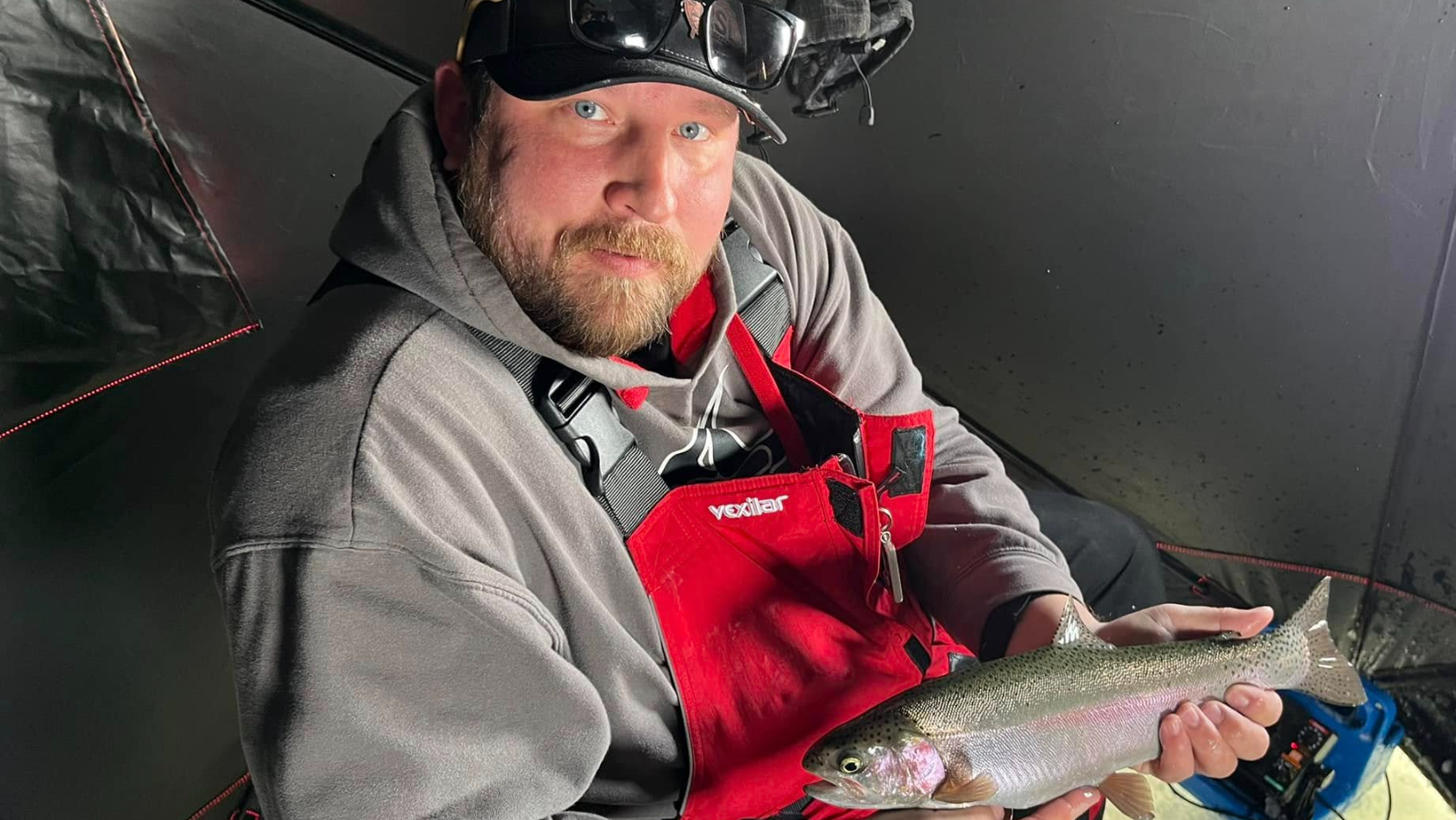
Rainbow Trout Catch Winter Ice Fishing Rifle CO
Winter Ice Fishing in Rifle - What to Expect
%2F%2Fusers%2F00c4cc7e-1574-4ced-8601-3c5b4d3ab9c5%2Fimages%2Frainbow-trout-ice-fishing-rifle-2582.jpg&w=1920&q=75)
Guided Fishing Trip by Guide Jason Shafer in April
Meet your Guide Jason Shafer
- Colorado Scenic Fishing at its Best Spots


Summary
Join a guided fishing trip on Thursday, April 10th to catch rainbow trout during winter ice fishing in Rifle, Colorado. This hands-on experience with professional guide Jason Shafer of RSL Guide Services combines local fishing knowledge with proven ice fishing techniques targeting vibrant rainbow trout in pristine Colorado waters.
Ice Fishing with Jason Shafer - Rates & Booking
Guide Jason Shafer of RSL Guide Services leads winter ice fishing expeditions on Thursday, April 10th in Rifle, Colorado. This guided fishing trip targets rainbow trout through the ice, combining technical ice fishing skills with knowledge of local water patterns. Book your spot online to secure your winter fishing experience.
Highlights of Winter Ice Fishing
Winter ice fishing in Rifle offers exceptional opportunities to connect with Colorado's rainbow trout populations during the coldest months. The ice-covered waters create a unique fishing environment where anglers can experience the quiet, focused nature of ice fishing while pursuing vibrant rainbow trout. Multiple anglers participated in this outing, creating a shared experience on the ice.
Rainbow trout are aggressive feeders throughout winter, making this season ideal for consistent action. The Rifle area provides excellent ice fishing conditions with reliable trout populations that respond well to traditional ice fishing presentations. Guide Jason Shafer's local expertise ensures you're fishing the most productive areas.
Local Species Insights: Rainbow Trout
Rainbow trout thrive in Colorado's cold winter waters and actively feed beneath the ice. These striking fish, identifiable by their silver sides and distinctive red stripe, are aggressive hunters during winter months when most anglers assume fishing slows down. In reality, winter ice fishing can produce explosive action as trout feed before the hardest cold sets in.
Rainbow trout prefer structure and deeper water during winter ice fishing. They congregate in areas with thermal advantage and adequate oxygen flow. In Rifle's waters, these trout respond to small jigs, spoons, and live bait presentations through the ice. The winter environment actually concentrates trout in predictable zones, making ice fishing an efficient and rewarding pursuit.
Understanding trout behavior under ice is crucial to success. These fish are less mobile in winter and rely on consistent food sources. Guide Jason Shafer positions anglers in high-probability zones based on water depth, vegetation, and seasonal trout migration patterns. Ice fishing requires patience and precision, but the reward is direct interaction with powerful rainbow trout in their winter habitat.
The Rifle area's water conditions support healthy rainbow trout populations year-round. Winter ice fishing here represents a specialist's pursuit - fewer anglers venture out, meaning less pressure on the trout and better opportunities for consistent catches. The experience itself transforms how many anglers view winter fishing opportunities in Colorado.
Fishing in Colorado: Steelhead Trout

Steelhead Trout Overview
Steelhead Trout (Oncorhynchus mykiss) belongs to the family Salmonidae within the order Salmoniformes, making it a close relative to salmon and other trout species. What makes steelhead truly remarkable is their dual lifestyle—they're actually the same species as rainbow trout, but steelhead spend their formative years in the ocean before making an epic migration back to freshwater rivers to spawn. This anadromous lifestyle gives them their distinctive silvery, brassy appearance dotted with black spots, quite different from their freshwater rainbow cousins. Known as an excellent game fish throughout northern America and now distributed across nearly every continent except Antarctica, steelhead are prized by anglers for their fierce fighting spirit and acrobatic runs. Whether you're fishing the Pacific Northwest or exploring coastal rivers across North America, encountering these migratory powerhouses is a bucket-list experience.
Steelhead Trout Habitat and Distribution
Steelhead thrive in cold, clean coastal rivers and streams where they can find protection among wood, boulders, and aquatic vegetation. These fish are native to regions west of the Rocky Mountains but have been successfully introduced throughout most U.S. states and worldwide. They occupy freshwater systems during their juvenile years and spawning phases, but spend the majority of their adult lives in marine environments or estuaries where they grow rapidly in nutrient-rich saltwater. When spawning season arrives in fall through spring, they return to tributaries and gravel beds in freshwater bodies, completing their remarkable circular migration. The combination of cool water temperatures, clean substrates, and abundant food sources makes coastal river systems ideal for this species. Steelhead populations thrive in systems with access to both ocean and tributary spawning grounds, making regions like the Pacific Northwest, Northern California, and the Great Lakes some of the most productive steelhead fisheries in North America.
Steelhead Trout Size and Weight
Steelhead display impressive size potential compared to many freshwater trout species. The average length you'll encounter is around 24 inches, though these fish can grow considerably larger. Maximum recorded lengths reach up to 46 inches, with some exceptional specimens pushing even beyond that in well-established populations. Weight-wise, typical steelhead range from 2 to 35 pounds, though the largest documented steelhead tipped the scales at 55 pounds—a testament to the explosive growth they achieve during their years in the ocean. Younger fish entering rivers for their first spawning run (called "half-pounders") weigh considerably less, typically 2-8 pounds, while mature ocean-phase steelhead return as impressive specimens in the 8-20 pound range. This size variation actually makes steelhead fishing diverse and rewarding for anglers of all skill levels.
Steelhead Trout Diet and Behavior
As juveniles in freshwater, young steelhead feed primarily on zooplankton and small aquatic organisms. Once they transition to ocean life, their diet expands dramatically to include small fish, crustaceans, mollusks, and eggs, fueling the rapid growth that makes ocean-phase fish so much larger than their freshwater cousins. Upon returning to freshwater rivers to spawn, they often cease feeding altogether, relying instead on stored energy reserves. This behavioral shift is crucial to understanding steelhead—they're migratory fish driven by powerful biological imperatives that override normal feeding patterns. During their ocean years, steelhead become lean, muscular predators with stamina built for long-distance travel. They typically spend two to three years at sea before returning home, though some spend only one year and return as "half-pounders," while others may spend four years or more. This variability in life history creates distinct run timing and size classes, making every season unpredictable and exciting for anglers. Steelhead are known for their incredible jumping ability and acrobatic runs when hooked, behavior that distinguishes them from most other freshwater fish.
Steelhead Trout Spawning and Seasonal Activity
The spawning cycle of steelhead is one of nature's great migrations. After spending years in the ocean, these fish develop an irresistible urge to return to their natal rivers, often traveling hundreds of miles upstream against current and over obstacles to reach spawning grounds. The best time for catching steelhead begins in mid-fall and extends through spring, with different rivers showing distinct peak periods. Females deposit anywhere from a few hundred to 9,000 eggs (depending on her size and condition) into gravel redds prepared in clean, oxygenated tributary streams. Males fertilize these eggs, after which the exhausted spawners—called "kelts"—either die or (unlike most Pacific salmon) survive to potentially spawn again in subsequent years. This iteroparity, the ability to spawn multiple times, distinguishes steelhead from their salmon cousins and adds to their ecological importance and angler appeal. Spring and fall runs occur in different regions; Pacific Northwest rivers peak in winter months, while some southern California systems show spring runs. This extended season means steelhead fishing opportunities exist somewhere nearly year-round.
Steelhead Trout Techniques for Observation or Capture
Fly Fishing: Fly fishing for steelhead is considered the pinnacle of the sport, though challenging and rewarding in equal measure. Both single-handed and double-handed rods work effectively; 13.5-foot 7-weight Spey rods and switch rods are popular choices for their distance and control. Effective techniques include wet swinging (allowing flies to drift naturally across the current) and stripping nymphs through productive holding water. Quality flies include thin, delicately tied patterns in sizes 6-8 such as Golden Demon, Skunk, Brad's Brat, Silver Hilton, and Skykomish Sunrise. Dry fly fishing with bombers can produce explosive surface takes. The methodical pace and technical skill required make fly fishing mentally engaging and deeply satisfying. Around the Pacific Northwest and coastal rivers, early morning fishes often provide the best conditions.
Drifting and Plunking: For those preferring conventional tackle, drifting is highly effective. Cast upstream and allow baits (eggs, small fish) to drift naturally through runs and pools where steelhead hold. Plunking—stationing yourself in a productive spot and casting out to let bait sit on the bottom—works well in deeper pools during low-light periods. Backtrolling behind a boat in larger river systems allows anglers to cover extensive water efficiently. These methods require patience and reading water conditions but are often more productive for newer anglers.
Location and Timing Tips: Target inside bends where current slows, deep pools adjacent to fast water, and areas with good cover like fallen trees and boulders. Early morning and evening provide prime feeding windows. During peak season (mid-fall through spring), fresh-run fish respond best, often identified by their pristine silver coloration. In major steelhead rivers near coastal cities, local guides and tackle shops provide current conditions and recent catch reports invaluable for success.
Steelhead Trout Culinary and Utilization Notes
Steelhead offer excellent table fare for those who choose to keep them. The flesh is rich, flavorful, and firm—qualities that make them prized for grilling, smoking, and baking. Ocean-phase steelhead tend to have better flavor than spawning fish due to higher oil content and superior condition. Many anglers practice catch-and-release to preserve populations for future seasons, particularly during spawning runs. However, carefully managed harvest of hatchery steelhead is sustainable and provides fresh, nutritious protein rich in omega-3 fatty acids. The combination of good eating quality and premium fighting ability makes steelhead especially valued—they're simultaneously a world-class game fish and a delicious meal. Local regulations typically distinguish between wild and hatchery fish, with hatchery steelhead available for harvest while wild fish are often protected.
Steelhead Trout Frequently Asked Questions
Q: What is the best bait and lure for catching steelhead trout?
A: Fresh salmon or steelhead eggs are top choices, fished in drift presentations or plunking rigs. For lure enthusiasts, small spoons, spinners, and plugs in silver and gold work well. Fly anglers should focus on wet flies in sizes 6-8 with patterns like Golden Demon, Skunk, and Skykomish Sunrise. The "best" option depends on water conditions, season, and local regulations.
Q: When is the absolute best time to catch steelhead trout?
A: Mid-fall through spring offers the prime window for steelhead fishing, with peak seasons varying by region. Pacific Northwest rivers typically peak December through February, while some southern systems show strong runs in fall and spring. Early morning and evening hours, especially on cloudy or slightly overcast days, provide optimal conditions. Fresh-run fish entering rivers respond best to presentations.
Q: How do I tell the difference between a steelhead and a rainbow trout?
A: Ocean-phase steelhead are sleeker and more silvery or brassy overall compared to the vibrant multi-colored rainbow trout. Steelhead retain their black spots but lack the prominent red stripe of freshwater rainbows. Spawning steelhead often develop darker coloration and a pronounced jaw. However, the surest method is understanding the habitat—steelhead are found in coastal rivers during their spawning migration, while rainbows live year-round in freshwater.
Q: Is steelhead trout good to eat, and how should I prepare it?
A: Yes, steelhead is considered excellent eating with rich, flavorful flesh due to high oil content, especially in ocean-phase fish. Grilling, smoking, baking, and pan-searing are all excellent preparation methods. The firm texture holds up well to various cooking techniques. Spawning fish nearing the end of their journey may have less desirable flesh quality than fresh ocean-run steelhead.
Q: Where can I find steelhead trout near major coastal cities?
A: Steelhead are found in coastal river systems across North America. In the Pacific Northwest, iconic rivers like the Rogue, Deschutes, and Skagit offer world-class fisheries. Northern California systems like the Russian River and Eel River host excellent runs. Great Lakes tributaries provide eastern opportunities. Local tackle shops, state fish and wildlife agencies, and guide services provide current access information and regulations specific to each region.
Q: How many times can a steelhead spawn in its lifetime?
A: Unlike Pacific salmon, steelhead can spawn multiple times—typically 2-4 times depending on individual fish and environmental conditions. This iteroparity means a female might release eggs in multiple seasons over her 11-year lifespan, significantly contributing to population productivity. Some steelhead even spawn, return to the ocean to recover, and return to rivers again—a remarkable feat of biological resilience.