%2Ffit-in%2F250x250%2Fguide_websites%2F30688%2Fimages%2F1745627243080472788467_122126432366582254_511037405999233555_n-removebg-preview.png&w=1920&q=100)
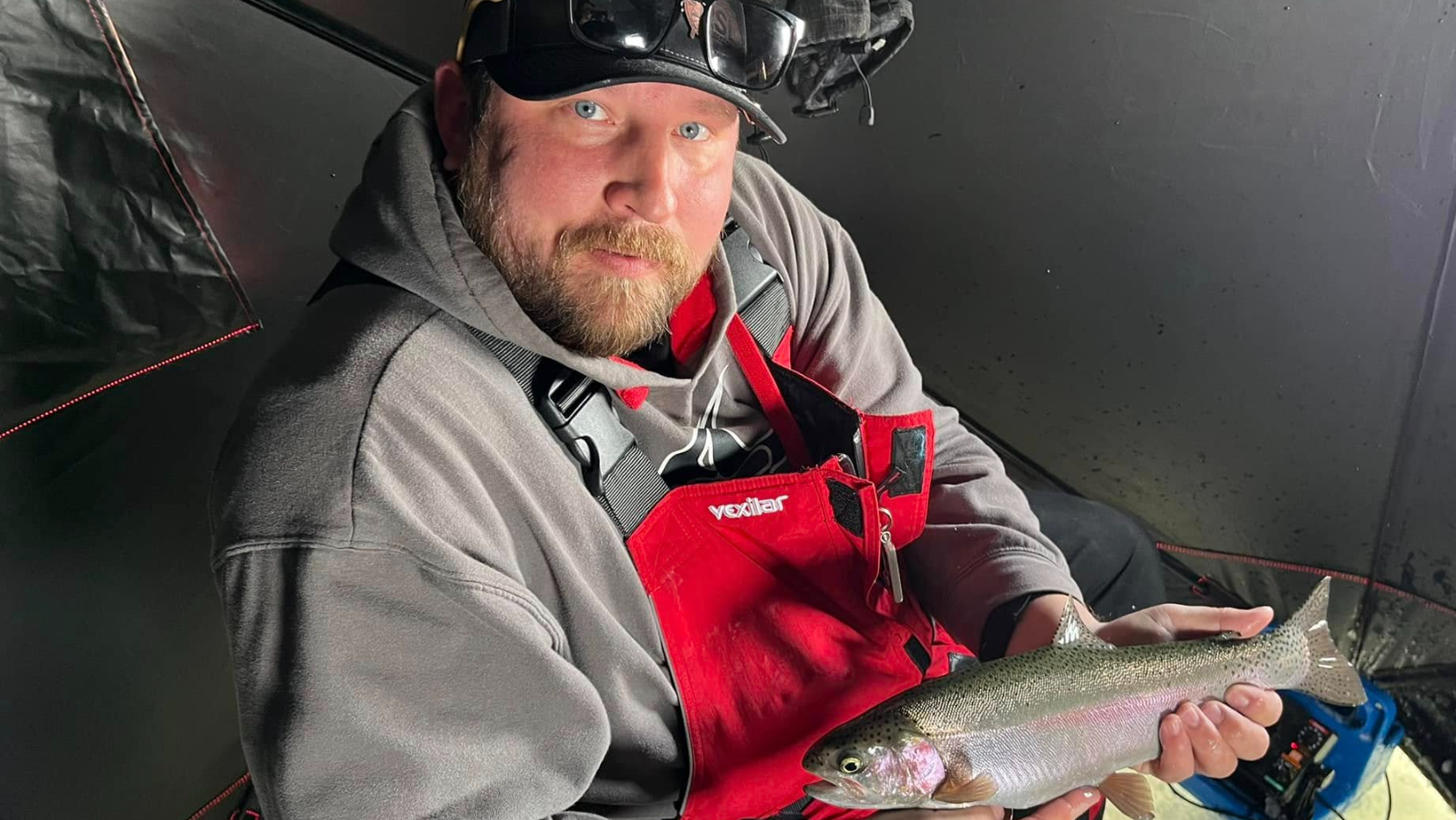
Rainbow Trout Caught Ice Fishing in Rifle Colorado
Ice Fishing Rainbow Trout in Colorado - A Winter Adventure
%2F%2Fusers%2F00c4cc7e-1574-4ced-8601-3c5b4d3ab9c5%2Fimages%2Frainbow-trout-rifle-colorado-fishing-2653.jpg&w=1920&q=75)
Guided Fishing Trip by Guide Jason Shafer in April
Meet your Guide Jason Shafer
- Colorado Scenic Fishing at its Best Spots


Summary
Our guided fishing trip in Rifle, Colorado on Friday, April delivered an exciting ice fishing adventure inside a comfortable shelter. We successfully caught rainbow trout while learning local techniques from an experienced guide. This hands-on experience combined winter fishing strategies with quality time on the water in the heart of Colorado's trout country.
Ice Fishing with Jason Shafer of RSL Guide Services - Rates & Booking
Guide Jason Shafer of RSL Guide Services led our guided fishing trip on Friday, April in Rifle, Colorado, where we set up inside a protective ice fishing shelter to target rainbow trout. The shelter setup provided comfort and weather protection while we focused on the fundamentals of ice fishing technique and trout behavior during winter months. This guided experience combines practical instruction with genuine fishing opportunity, making it ideal for anglers wanting to expand their skills in cold-weather conditions.
The trip takes advantage of Rifle's reputation as a premium trout destination, with Jason's local expertise guiding us toward productive fishing grounds. Everything you need for a successful day is part of the experience, allowing you to focus on learning and fishing. If you're interested in trying ice fishing or want to improve your winter technique, contact RSL Guide Services to book your guided trip.
Highlights of Our Ice Fishing Experience
The day delivered solid action with rainbow trout, proving that winter fishing in Colorado can be highly productive. Inside the shelter, we stayed warm and comfortable while working the water below the ice. Jason shared insights about reading conditions, adjusting tactics based on fish behavior, and making the most of limited visibility beneath the ice. The hands-on experience of drilling holes, setting up equipment, and landing trout creates genuine memories of accomplishment.
Rifle's elevation and water clarity make it a standout location for winter trout fishing. The combination of quality fish and professional guidance from someone who knows these waters creates an experience that goes beyond typical casual fishing.
Local Species Insights: Rainbow Trout
Rainbow trout thrive in Colorado's cold, clean waters and remain active throughout winter months. These fish are highly prized by anglers for their strength, intelligence, and willingness to take well-presented offerings even in cold conditions. During ice fishing, rainbow trout tend to congregate in slightly deeper water where temperatures remain more stable. They respond to both live bait and artificial presentations, making them ideal targets for varied fishing methods.
What makes rainbow trout particularly rewarding is their aggressive nature and the visual spectacle of watching them come to the hole. These fish are known for their runs and aerial displays when hooked, even through an ice hole. In Rifle's waters, the rainbow trout population includes quality-sized fish that provide both sport and excellent table fare. Understanding their winter behavior patterns, preferred depths, and feeding windows is what separates casual ice fishing from productive sessions.
The environment inside an ice fishing shelter offers unique advantages for pursuing rainbow trout. You can watch your line, observe fish movement, and adjust your presentation in real time. This direct feedback accelerates your learning curve and increases your odds of success. Jason's guidance on reading these subtle signals and responding with appropriate technique gives you tools you'll use on future fishing trips.
Plan Your Ice Fishing Day in Rifle
A guided ice fishing trip in Rifle typically involves arrival at the fishing location, setup inside the shelter, and several hours of active fishing. You'll experience hands-on instruction from Jason on everything from drilling techniques to bait presentation and fighting fish. The shelter provides protection from wind and cold while maintaining clear views of your fishing activity. Bringing adequate clothing in layers is essential, though the shelter itself provides significant weather protection.
Groups can vary in size, and the experience works well for both individuals and small groups. Whether you're brand new to ice fishing or looking to refine existing skills, the guided format ensures you get personalized attention and instruction tailored to your experience level. Pack water and snacks, wear warm clothes, and be ready for a day of active fishing and learning in one of Colorado's premier trout waters.
Fishing in Colorado: Steelhead Trout

Steelhead Trout Overview
Steelhead trout (Oncorhynchus mykiss) is one of North America's most prized game fish and belongs to the family Salmonidae within the order Salmoniformes. What makes steelhead so special is their incredible life journey—they're actually the sea-run version of rainbow trout, spending two to three years in the ocean before returning to freshwater rivers to spawn. Known for their streamlined, silvery-brassy bodies adorned with distinctive black spots and a shimmering pinkish-red stripe running from gill to tail, steelhead have earned a legendary reputation among anglers worldwide. These migratory powerhouses offer one of the most thrilling fishing experiences available, combining acrobatic fights with the romance of pursuing a fish that has traveled thousands of miles across open ocean. Whether you're casting on the Pacific Northwest coast or exploring their expanding range across North America, steelhead represent the ultimate challenge for dedicated anglers.
Steelhead Trout Habitat and Distribution
Steelhead are anadromous fish that occupy both freshwater and marine environments throughout their lives. These remarkable travelers are native to the west of the Rockies in North America, but through natural range expansion and fish stocking programs, they've been introduced across the majority of U.S. states and are now present on virtually every continent except Antarctica. In freshwater, steelhead prefer cold, clean rivers and streams with adequate oxygen levels, using woody debris, large boulders, and dense vegetation as protective cover while resting or feeding. During their ocean phase, they inhabit coastal waters and estuaries where they grow rapidly in the nutrient-rich marine environment. Pacific Northwest rivers—including the Skagit, Umpqua, and Rogue—remain iconic steelhead destinations, though populations thrive in California, Oregon, Washington, Idaho, and increasingly in Great Lakes tributaries and eastern U.S. rivers where they've been successfully introduced.
Steelhead Trout Size and Weight
The average length of a steelhead trout typically ranges from 24 to 28 inches, though these fish are known for their variability. Minimum sizes can be as small as 12 inches for juvenile or newly ocean-entering fish, while trophy specimens regularly exceed 36 inches, with verified catches reaching up to 46 inches in length. Weight follows a similar impressive range, starting around 2 pounds for smaller individuals and averaging 8 to 15 pounds for mature fish, with documented records reaching 35 pounds or more. This size variation makes every steelhead encounter unpredictable and thrilling—you never quite know if the next take will be a feisty five-pounder or a heart-stopping 25-pound brute that tests your tackle and skill to the absolute limit.
Steelhead Trout Diet and Behavior
Steelhead are opportunistic feeders with diverse dietary preferences that change throughout their life stages. Young steelhead in freshwater feed primarily on zooplankton, aquatic insects, and small crustaceans, while maturing fish in the ocean consume a rich diet including small fish, eggs, crustaceans, mollusks, and other available prey that fuels their rapid growth in marine waters. Interestingly, migrating steelhead returning to rivers often cease feeding entirely or feed very sparingly, relying on stored energy reserves to complete their spawning mission. This behavioral shift is crucial for anglers to understand—steelhead in rivers often strike lures and flies out of aggression, competition, or territorial instinct rather than genuine hunger, which explains why presentation, timing, and persistence matter more than offering an irresistible meal. Their migratory nature creates dramatic seasonal behavior changes, with fish becoming progressively more active during their upstream journey and displaying spawning-related aggression during the breeding season.
Steelhead Trout Spawning and Seasonal Activity
Steelhead demonstrate remarkable migratory behavior, with fish spending the majority of their adult years in the ocean before responding to environmental cues that trigger their return to natal freshwater rivers. Unlike their pacific salmon cousins that die after spawning, steelhead are iteroparous—meaning they can spawn multiple times, sometimes returning to the ocean after breeding and making multiple spawning runs throughout their 11-year lifespan. Females deposit their eggs in gravel beds of freshwater tributaries, releasing between 9,000 eggs per spawning event depending on body size, with males fertilizing these precious cargo. The spawning season peaks from mid-fall through early spring, with winter steelhead and spring steelhead runs defining the fishing calendar across different regions. Fall runs typically begin in September and October in the Pacific Northwest, while spring runs continue through May and June, creating extended opportunities for anglers throughout the cooler months when river conditions are ideal.
Steelhead Trout Techniques for Observation and Capture
Fly Fishing: This is the premier technique for dedicated steelhead anglers, and it's wonderfully challenging. Spey rods and switch rods have revolutionized the sport, with a 13.5-foot 7-weight Spey rod considered the gold standard by most experienced guides. The classic wet swing—casting across the river and allowing your fly to drift and swing in a controlled arc—is the most effective approach. Popular fly patterns include Golden Demon, Skunk, Brad's Brat, Silver Hilton, Surgeon General, Purple Peril, and Skykomish Sunrise, with flies in the number 6 to 8 range tied relatively thin. For a more visual experience, dry fly fishing with bombers can be incredibly exciting when fish are aggressive. Both single and double-handed rods work effectively depending on river width and angler preference.
Drifting and Plunking: These conventional techniques remain incredibly effective and accessible for anglers without fly fishing experience. Drifting involves casting slightly upstream and allowing your bait or lure to naturally drift with the current while maintaining bottom contact, perfect for covering large river sections methodically. Plunking means stationing yourself in a productive lie and casting out to let your presentation work the current. Back trolling—a hybrid technique combining elements of both—allows you to cover water thoroughly while maintaining precise control. Around the Skagit River and other Pacific Northwest steelhead destinations, drifting with live bait, spawn sacs, or artificial lures accounts for tremendous success, especially during peak season when water levels and temperatures are optimal.
Timing and Location: Success depends heavily on water conditions and seasonal patterns. Target runs during mid-fall through spring, with the absolute best fishing occurring during moderate water levels and cool temperatures between 42-52 degrees Fahrenheit. Focus on inside bends where current slows, deep holes behind boulders, and areas with woody cover where fish rest. Early morning and late afternoon light are typically more productive than midday bright conditions.
Steelhead Trout Culinary and Utilization Notes
Steelhead trout are genuinely excellent table fare with good eating quality, offering firm, flavorful flesh that ranks among the best of all gamefish. The flesh is typically orange to pink in color and develops rich, distinctive flavor through their ocean diet and extended time in saltwater. Many consider steelhead superior to both ocean-caught salmon and freshwater rainbow trout in terms of culinary appeal, though preferences vary by region and preparation method. They're particularly excellent when grilled, smoked, or prepared simply with butter and lemon to highlight their natural flavors. Additionally, steelhead represent a sustainable and environmentally responsible protein source, as their populations remain relatively stable through careful management and spawning diversity. The combination of excellent eating quality and thrilling catch-and-release sport has made steelhead one of the most valued fish in North American angling culture.
Steelhead Trout Frequently Asked Questions
Q: What is the best bait or lure for steelhead trout?
A: That depends on your technique. For fly fishing, the wet swing with patterns like Golden Demon, Skunk, or Purple Peril is legendary. For conventional techniques, live minnows, spawn sacs, and sand shrimp work incredibly well during drifting. Spoons and plugs can also trigger aggressive strikes, particularly in higher water conditions.
Q: Where can I find steelhead trout near popular fishing destinations?
A: The Pacific Northwest remains the steelhead capital, with the Skagit, Umpqua, Rogue, and Skeena rivers offering world-class opportunities. California's Russian River, Oregon's Deschutes, and Washington's Kalama River are also exceptional. The Great Lakes region, particularly tributaries in Michigan and New York, offers surprisingly solid populations. More locally, check state fish and wildlife websites for current run forecasts and best access points.
Q: Is steelhead trout good to eat?
A: Absolutely! Steelhead has good eating quality with firm, flavorful flesh that many consider superior to regular rainbow trout. The ocean phase of their life imparts a rich flavor profile. They're excellent smoked, grilled, or baked, and make for genuinely memorable meals. Keep regulations in mind—some regions have generous bag limits, while others encourage catch-and-release.
Q: When is the best time to catch steelhead trout?
A: The peak season runs from mid-fall through spring, with the exact window varying by location and run timing. Winter steelhead (December-March) and spring steelhead (March-May) represent the two major runs. Water temperature between 42-52°F and moderate to low water levels are ideal. Morning hours and periods of overcast sky typically produce better results than bright midday conditions.
Q: How do I distinguish between a steelhead and a rainbow trout?
A: While genetically identical, steelhead are dramatically different in appearance due to their ocean residence. Steelhead are more streamlined and silvery-brassy in color, while rainbow trout are stockier and more colorful with vibrant red striping. Both have black spots and a pink-red band from gills to tail, but steelhead are generally larger and more muscular. Ocean-phase steelhead have minimal spotting, while freshly returned steelhead develop more spots as they adjust to freshwater.
Q: Do steelhead die after spawning like salmon do?
A: No—this is one of the remarkable things about steelhead! They're iteroparous, meaning they can spawn multiple times throughout their 11-year lifespan. After spawning, they can return to the ocean, feed, recover, and come back to rivers to spawn again in subsequent years, unlike Pacific salmon species that are semelparous and die after their single spawning event.